
Your marketing and sales funnels represent the process prospects go through to make a buying decision. Despite the names, the marketing team doesn't own one funnel and the sales team the other. In a small business, that might be the same two or three people. What matters is that everyone works together to move prospects from first click to closed deal.
What is a marketing funnel?
The marketing funnel covers the prospect's journey up to the point they raise their hand. It has four stages:
- Awareness: The prospect is starting to look for a solution to their problem. Your job is to show up, explain how you can help and why you're a better choice than the competition.
- Consideration: The prospect now knows you exist and is weighing their options. This is where reviews, case studies and helpful content establish you as the expert.
- Action: If you've earned their trust, the prospect takes a step that shows real interest, like calling, filling out a form or requesting a quote.
- Lead: Once they've taken that step, they become a lead.
Each stage needs a different message. A full-funnel approach meets prospects where they are instead of pushing for the sale too early.
What is a sales funnel?
The sales funnel picks up where the marketing funnel ends, with a lead. It has five stages:
- Lead: The prospect enters the sales funnel.
- Marketing qualified lead (MQL): Not every lead is ready to buy. Leads that meet your criteria, such as the right service area, budget or job type, become MQLs. Some go straight to sales; others need more nurturing first.
- Sales qualified lead (SQL): The lead has shown they're ready to talk to someone about buying, like requesting an estimate or booking a consultation.
- Opportunity: You're actively working with the prospect on their specific needs, pricing and timing.
- Sale: You've shown that your product or service is the best fit, and they buy.
How to optimize your marketing funnel
These eight steps will help you move more prospects from awareness to lead.
1. Identify your target audience
Start by defining who actually buys from you. For a local business, that might mean homeowners in a specific service area, or property managers who need recurring work. Build a profile of each type of buyer, including what motivates them, what problems they need solved and what stops them from choosing you.
If you sell to other businesses, map out everyone involved in the decision, including champions, decision-makers and the people who sign off on budget.
2. Select relevant channels
Choose channels based on where your audience spends time at each stage of the funnel.
- Awareness: Reach people before they know your name with paid social, programmatic advertising and streaming TV (OTT/CTV).
- Consideration: Help prospects research and compare with social media, retargeting, helpful content and email.
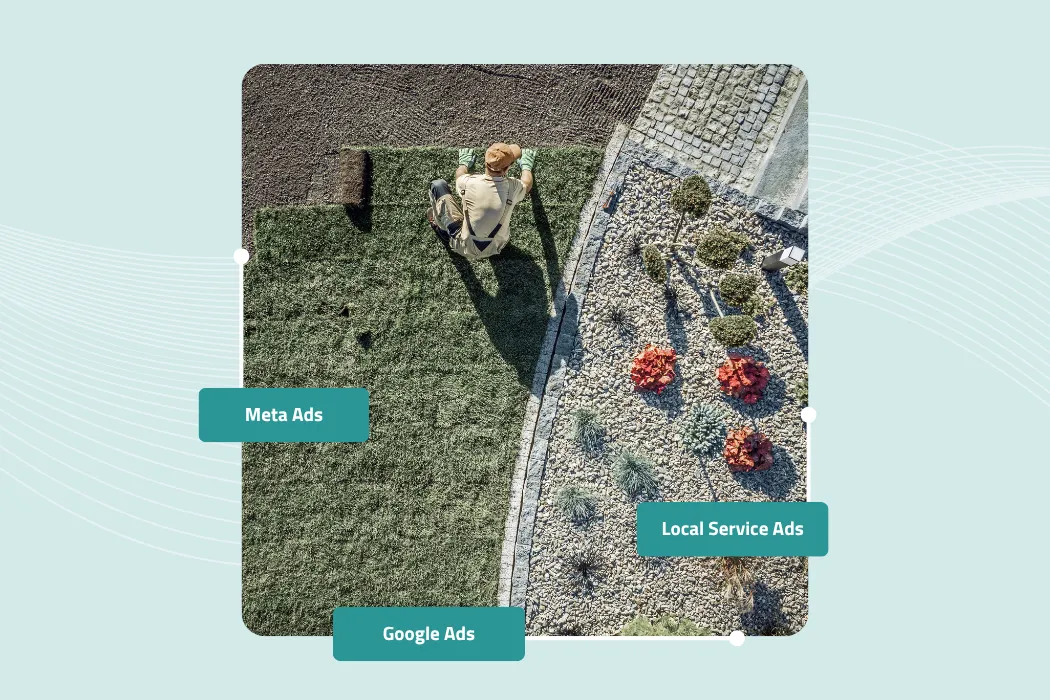
- Action: Capture people who are ready to buy with paid search, Local Service Ads and SEO.
3. Develop the right messages
Tailor your messages to each audience segment, channel and funnel stage. An awareness ad might introduce a common problem. A consideration-stage page might compare your service to the alternatives. An action-stage ad should make it easy to call or book now.
4. Prepare campaign assets
You may already have some of what you need, or you may need to create it. Common assets include:
- Landing pages built for a single offer
- Ebooks, guides, blog posts and email templates
- Ad creative and variations for each channel
For ideas on creative that converts, download our free ebook, The Creative Factor: Boosting Conversions for Social and Streaming Ads.
5. Set your key performance indicators (KPIs)
Decide which numbers define success before you launch. Common KPIs include cost per lead, cost per sale, lead-to-sale conversion rate and return on ad spend. Focus on metrics tied to revenue, not vanity metrics like impressions alone.
6. Select and implement the right tools
There are tools for every budget. Start with the minimum you need to run and measure your campaigns:
- Analytics (such as Google Analytics 4)
- Google Tag Manager and conversion tracking
- A CRM
- Email and marketing automation
- Social media management
7. Launch your campaigns
Get your campaigns live and start collecting data. Waiting for a perfect plan costs you leads.
8. Analyze and optimize
Optimizing your funnel is an ongoing process. Review your results regularly, find what works and shift budget toward it. Keep testing and improving:
- Audience targeting and segments
- Channel performance
- Messaging and creative
- Landing pages and offers
- Bidding and campaign tactics
- KPIs and targets
Want a quick read on where your ad budget is leaking? AuditIQ by BidWaves analyzes your live Google Ads data in about 3 minutes and gives you a prioritized action plan. Start your free audit.
How to optimize your sales funnel
Your marketing and sales efforts need to be aligned to get the most out of your sales funnel. Start by agreeing on what counts as an MQL and an SQL, and when a lead gets handed off for follow-up. Once those definitions are clear, you can work on improving the rate at which MQLs become SQLs.
Once a lead qualifies, enter them into your CRM. This lets you track every interaction, see which campaigns produce the best customers and, depending on your setup, build a lead score that tells you who to call first.
From there, whoever handles sales can use the CRM to keep detailed notes and follow up at the right time. Speed matters: the business that calls back first often wins the job.
Finally, set up a feedback loop. When sales tells marketing which leads closed and which didn't, marketing can target better prospects and stop paying for the wrong ones. That loop is how Windows By Toll went from inconsistent leads to 5–8 new customer estimates every week.
Fill your funnel with BidWaves
At BidWaves, we build and manage paid media and SEO campaigns for small businesses that prioritize quality leads over traffic.
Ready to get more from your funnel? Contact BidWaves for a free consultation.