
.png)
A strong approach starts with a clear understanding of your audience, a consistent message, the right marketing channels, and a way to measure performance. Each part of the strategy should support a specific business goal.
What Is Small Business Marketing?
Small business marketing includes the strategies and activities used to promote products or services, build awareness, generate leads, and increase sales.
These activities may include:
- Search engine optimization
- Content marketing
- Social media marketing
- Paid advertising
- Email marketing
- Local marketing
- Website improvements
- Referral programs
Unlike large companies, small businesses often have smaller teams, limited budgets, and less time to manage campaigns. A focused small business marketing strategy helps prevent resources from being spread across too many platforms.
The strongest competitor content also recommends choosing marketing channels based on business goals, customer behavior, available resources, and budget.
How to Market a Small Business
Knowing how to market a small business starts with building a clear foundation. Before investing in campaigns, business owners should understand what they want to accomplish and who they need to reach.
Set Clear Marketing Goals
Marketing goals should connect directly to business priorities.
Common goals include:
- Generating more qualified leads
- Increasing online or in-store sales
- Booking more appointments
- Improving local visibility
- Increasing website traffic
- Encouraging repeat business
- Building awareness for a new service
Goals should be specific and measurable. “Generate 20 qualified leads each month” provides more direction than “get more customers.”
Clear goals also make it easier to choose the right channels and measure whether a campaign is working.
Understand Your Ideal Customer
Effective marketing for a small business depends on knowing who your customers are, what they need, and how they make decisions.
Basic information such as age, location, and income can be useful, but it is not enough. Businesses should also consider customer concerns, priorities, buying habits, and common questions.
Useful questions include:
- What problem is the customer trying to solve?
- What information do they need before making a decision?
- Where do they look for products or services?
- What may stop them from contacting a company?
- What makes them trust one business over another?
Competitor content places audience research early in the planning process because it shapes messaging, content, advertising, offers, and channel selection.
Create a Clear Brand Message
A brand message should explain who the business helps, what it offers, and why customers should choose it.
General claims such as “we provide great service” do not give customers much useful information. Stronger messaging focuses on the value customers receive.
That value may include:
- Specialized experience
- Faster response times
- Local knowledge
- A simpler process
- Better customer support
- More convenient service
- A unique product or solution
The same message should appear across the website, ads, social media profiles, email campaigns, and sales materials.
Build a Small Business Marketing Strategy
A small business marketing strategy brings separate marketing activities into one connected plan. It helps business owners decide where to invest time, money, and attention.
Improve Your Website and SEO
A website is often the first place potential customers learn about a business. It should clearly explain what the company offers, who it serves, and what visitors should do next.
Search engine optimization can help the website appear when people search for related products or services.
SEO may include:
- Keyword research
- Service page optimization
- Blog content
- Improved page titles and descriptions
- Internal linking
- Local SEO
- Website speed improvements
- Mobile usability
SEO usually supports long-term growth. Results may build gradually as the website gains stronger content, relevance, and authority.
Publish Helpful Content
Content marketing helps businesses answer customer questions and build trust before a sales conversation begins.
Useful content may include:
- Blog posts
- Service guides
- Videos
- Case studies
- FAQs
- Comparison pages
- Email resources
Each piece of content should solve a problem, answer a question, or help customers make a decision. Publishing without a clear purpose often leads to weak results.
Use Social Media With a Clear Purpose
Social media can help small businesses increase visibility, communicate with customers, and promote products, services, or events.
Businesses do not need to be active on every platform. The best platforms are the ones their customers already use.
A social media plan may include:
- Educational tips
- Customer stories
- Company updates
- Product information
- Behind-the-scenes content
- Promotional campaigns
Consistent activity is usually more effective than posting frequently for a short period and then stopping.
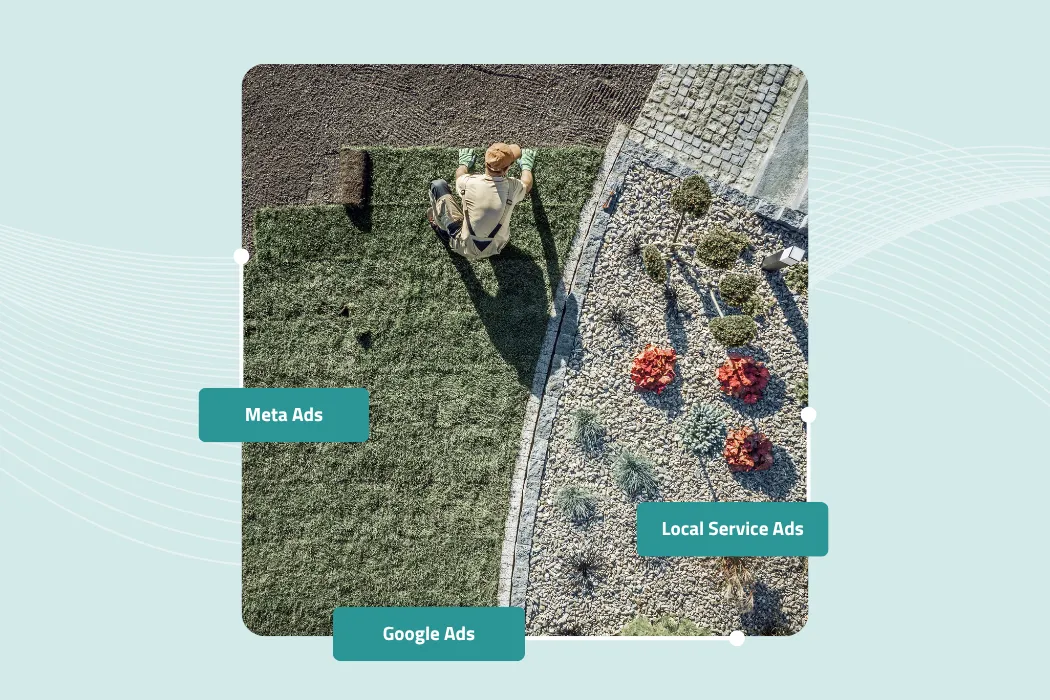
Reach Customers Through Paid Advertising
Paid advertising can help businesses reach potential customers more quickly.
Google Ads can reach people who are actively searching for a service. Paid social campaigns can target users based on location, interests, behavior, or previous interactions.
Effective campaigns require:
- Clear audience targeting
- Strong messaging
- Relevant landing pages
- Reliable conversion tracking
- Regular testing
- Ongoing optimization
Advertising performance should be reviewed regularly so the budget can move toward the audiences, messages, and campaigns producing stronger results.
Stay Connected Through Email Marketing
Email marketing can support lead nurturing, customer retention, and repeat sales.
Businesses can use email to share:
- Helpful content
- Promotions
- Reminders
- Company updates
- Service announcements
- Follow-up messages
Subscribers can also be divided into different groups so each person receives information that matches their needs or interests.
Set a Realistic Marketing Budget
There is no single budget that works for every small business. The right amount depends on business goals, competition, industry, customer value, and available resources. A marketing budget may also include more than advertising costs.
Expenses may include:
- Website updates
- Content creation
- Design
- Marketing software
- Campaign management
- Strategy
- Reporting
A budget should be large enough to support consistent activity and long enough to collect useful performance data. Some campaigns need testing before the strongest messages, audiences, and channels become clear.
Measure Marketing Performance
Strong small business marketing depends on data rather than assumptions.
Useful performance measures include:
- Website traffic
- Search visibility
- Phone calls
- Form submissions
- Qualified leads
- Conversion rates
- Cost per lead
- Customer acquisition cost
- Revenue from marketing
- Return on investment
Regular reviews help identify which campaigns are working, which need improvement, and where more budget should be invested.
Competitor content also emphasizes ongoing measurement because campaign performance and customer behavior can change over time.
Common Small Business Marketing Mistakes
One of the most common mistakes is trying to use too many marketing channels at once. This can lead to inconsistent messaging, weak execution, and wasted resources.
Other common mistakes include:
- Marketing without clear goals
- Targeting an audience that is too broad
- Publishing content without a strategy
- Sending visitors to weak landing pages
- Failing to track calls, forms, or sales
- Expecting immediate results
- Ending campaigns too early
- Repeating the same approach without testing
A smaller number of well-managed campaigns often produces better results than many disconnected activities.
Marketing Help for Small Business Owners
Managing a business and its marketing at the same time can be difficult. Many owners do not have the time, tools, or internal team needed to manage SEO, content, paid media, social media, website improvements, and reporting.
Bidwaves provides marketing help for small business owners who need a clearer and more connected approach.
Our team develops strategies around each business’s goals, audience, market, and budget. SEO, content, paid advertising, social media, and performance tracking work together instead of operating as separate efforts.
Bidwaves also monitors performance, identifies opportunities, and adjusts campaigns as the business grows.
Create a Strategy That Fits Your Business
Successful marketing for small business starts with focus. Clear goals, a defined audience, consistent messaging, and the right marketing channels create a stronger foundation for growth.
A thoughtful small business marketing strategy also helps businesses make better use of their time and budget.
Bidwaves helps small businesses turn marketing activity into a focused, measurable strategy. Contact our team to build a plan around your goals.
Ready to build a small business marketing strategy that actually works?
Stop guessing and start growing. BidWaves helps small businesses build focused digital marketing programs that generate consistent leads and tie every dollar of spend to real results.
.png)